


It was 1990. Few gave Steve Coppell’s Crystal Palace any chance against European juggernauts and eventual First Division champions Liverpool, who had whipped the Londoners to the tune of 9-0 in the league fixture.
The Eagles were a mid-table side who should have been no match for Kenny Dalglish’s Reds. After 90 minutes the two sides could not be separated with the score level at 3-3. Deep in extra time, a plucky midfielder picked up by Coppell from the non-leagues scored a late header to send his team to an unlikely cup final appearance. That man was Alan Pardew.
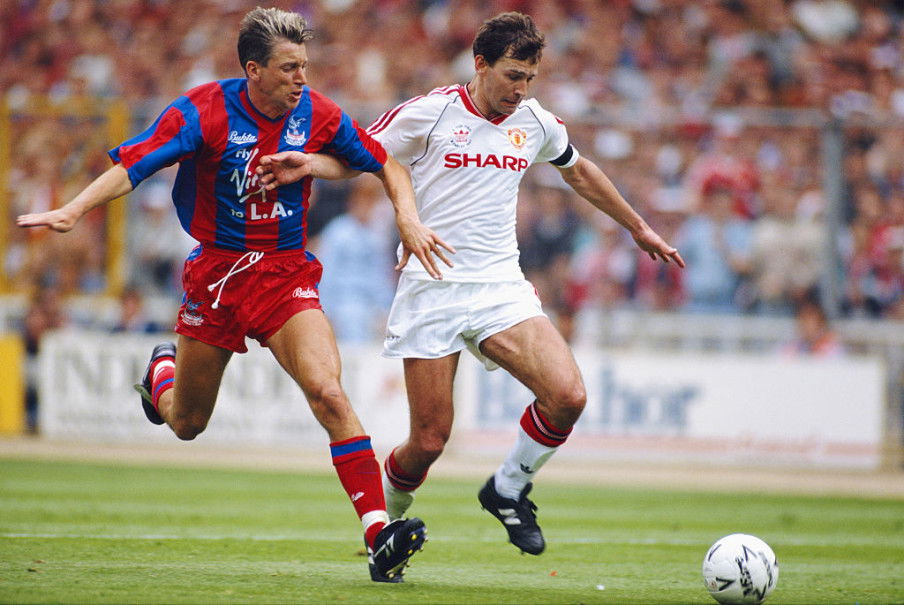
26 years later, Pardew has returned to his spiritual home and has his eyes set on capturing the Cup that eluded him as a player, with Sir Alex Ferguson’s Manchester United beating Palace 1-0 in the Cup final replay, and as a manager, where he lost on penalties to Liverpool in 2006 with West Ham.
Pardew has made it abundantly clear this season that he wants to get his hands on the Cup. He has spoken at length to the media about the magic and the esteem that he holds the FA Cup in and his team selections have reflected this mentality.
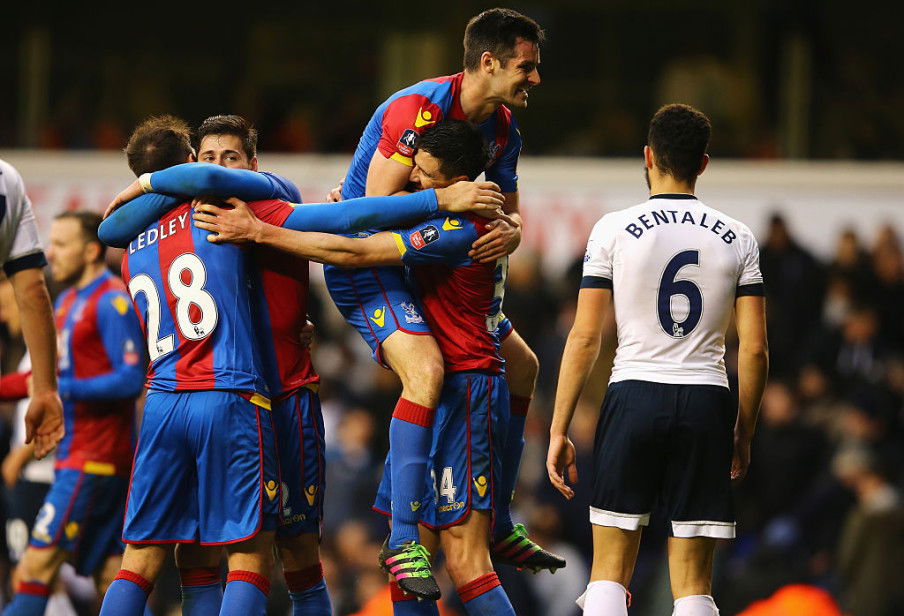
Palace have faced Premier League opposition in every round thus far, with tricky ties against Stoke, Southampton and title contenders Tottenham and the Eagles have come out on top every time. Despite their indifferent league form, Pardew’s side seem to turn up for the Cup clashes. There is a burning desire and mentality within the squad that they are good enough to take on the big guns of English football.
But what would winning the FA Cup mean to the club?
When Steve Parish and co. rescued Palace at the 11th hour in 2010, they spoke of the five-year plan to restore the club to its former glory and the heyday of 1990, which was the last time the Red and Blue reached a major final.
So who could be better summon the spirit of 1990 than the man currently at the helm. Pardew knows what it takes to get his side to Wembley, and he knows that there will be no better time to exercise his FA Cup demons than now. He has moulded a Palace side brimming with pace and power, from the towering Scott Dann to the dynamic duo on the wings in Yannick Bolasie and Wilfred Zaha. If you add in the European experience of veteran forward Emmanuel Adebayor, the Eagles are perfectly poised for success, given their predominant counter attacking style which has worked wonders against England’s top teams in the past.
In the quarter finals, Pardew will revisit his former club Reading, who currently sit 14th in the Championship. But they’ll be no pushovers, given the fact they broke down a usually resilient Tony Pulis led West Brom with ease on their way to a 3-1 win at the Madjeski. Just like Palace in 1990, they’ll be the underdogs with a point to prove against established Premier League opposition.
Yet Pardew has maintained his focus on the FA Cup throughout the season and will motivate his players accordingly, as he said
I said to the players in the changing room you won’t know the effects and the impact the FA Cup has until you reach the quarter-finals, the semi-final and the final. Then you understand this competition and the romance of it.
Many have argued that the FA Cup has lost its magic in recent years and that the cup has become more hassle than its worth. But for Crystal Palace and Alan Pardew, the cup offers much more than fulfilling the club’s five-year plan, more than establishing the club as a Premier League stalwart. The cup will finally offer that redemption for Pardew and his previous Cup heartaches and will etch his name in the hearts of Crystal Palace fans.


