History of Crystal Palace FC
The history of Crystal Palace FC begins in 1905, when the professional club was formed and took its name from the famous Crystal Palace exhibition building in south London. Since then, Palace have developed from a young club playing at the old Crystal Palace ground into an established top-flight side based at Selhurst Park, with a story shaped by promotion fights, relegation battles, cup runs, financial peril, supporter identity and, in recent years, major silverware. For anyone searching for the history of Crystal Palace FC, the short version is this: Palace are a south London club built on resilience, community and reinvention, and their modern status rests on more than a century of hard-won progress.
Origins: how Crystal Palace FC started
Crystal Palace FC history is closely tied to the Crystal Palace Company, which wanted a professional football club to play at the FA Cup Final venue inside the Crystal Palace grounds. The club was officially founded in 1905 and joined the Southern League rather than the Football League, because entry into the league system was not immediately available.
That beginning matters because it explains two features that still define Palace history. First, the club’s identity has always been linked to south London rather than a single municipal centre. Second, Palace were born with ambition, not as a village side growing accidentally into professionalism, but as a club created to represent a major public sporting venue.
Early Palace sides established a competitive reputation quickly. They attracted support from the surrounding districts and built a platform that would later carry the club into the Football League. If you want the club’s own official overview, the Crystal Palace history page on cpfc.co.uk is a useful companion to this guide.
From the early decades to Selhurst Park
Palace entered the Football League in the years after the First World War, a period that changed English football and widened the club’s competitive horizons. Their first permanent home was not Selhurst Park. That came later, and it became one of the most important milestones in Crystal Palace FC history.
Selhurst Park became Palace’s home in 1924, giving the club a proper long-term base and a stadium that would become inseparable from the Eagles story. Over time, the ground developed its own character: compact, intense and deeply tied to supporters’ memory. Palace have played elsewhere in temporary spells, but Selhurst Park remains the emotional heart of the club.
Readers interested in the ground itself can explore more in this guide to Selhurst Park history. It helps explain why the stadium matters beyond architecture or capacity. For Palace supporters, the venue is part of the club’s biography.
The long climb through the divisions
Much of the Eagles history is a story of movement between divisions. Palace were not one of English football’s fixed aristocrats. Instead, they spent decades building, slipping back, regrouping and climbing again. That can make the history look uneven from a distance, but it is exactly what gives the club its distinct identity.
The 1960s and 1970s were especially important because Palace started to establish themselves more clearly within the national game. Promotions brought optimism, and with progress came a growing sense that the club could compete beyond lower-division status. By the end of the 1960s, Palace had reached the top flight for the first time, a landmark that changed expectations permanently.
Like many clubs outside the traditional elite, Palace then discovered that reaching the top was one challenge and staying there another. Relegations followed, but so did recoveries. That pattern of setback and response runs through nearly every era of Crystal Palace history.
Key modern turning points in Crystal Palace history
The Team of the Eighties and the 1990 FA Cup final
One of the most famous chapters came under Steve Coppell. Palace rose impressively, earned promotion to the First Division and developed a side remembered for pace, spirit and attacking quality. The club reached the 1990 FA Cup final, one of the great occasions in its history, pushing Manchester United to a replay after a dramatic first match.
Palace did not win that final, but the run remains central to the club’s image. It gave the side national visibility and produced memories that still shape how supporters narrate Palace’s past.
Premier League years, play-off drama and instability
The decades that followed mixed excitement with instability. Palace became familiar with the play-offs, promotions and relegations of the modern era. There were spells in the Premier League and periods in the Championship, often with narrow margins deciding the club’s direction.
Ownership changes and financial pressure also became part of the story. For a broader view of that side of the club’s past, see Crystal Palace ownership history. It is impossible to understand Palace fully without recognising how often the club had to fight for stability off the pitch as well as on it.
A timeline of major moments
- 1905: Crystal Palace FC is founded as a professional club.
- 1924: Selhurst Park becomes the club’s home.
- Late 1960s: Palace reach the top flight for the first time.
- 1990: Palace reach the FA Cup final.
- 2013: Promotion back to the Premier League begins a longer top-flight stay.
- 2025: Palace win the FA Cup, the first major domestic trophy in club history.
- 2025: Palace also win the FA Community Shield.
- 2026: Palace are crowned UEFA Conference League winners.
That sequence shows why modern Palace history feels so significant. The club’s long wait for major honours has now been answered by a period that changed how Crystal Palace trophies are discussed.
Trophies, finals and the new era of silverware
For many years, a common question around Crystal Palace FC history was whether the club’s defining story would always be near-misses and survival. That changed decisively in 2025, when Palace won the FA Cup. The club’s own report on the occasion, Crystal Palace’s FA Cup final victory over Manchester City, marks the moment officially.
That triumph was followed by victory in the 2025 FA Community Shield, adding another important honour. Then came European success, with Palace crowned 2025/26 UEFA Conference League winners in 2026, as confirmed in the club announcement on Conference League winners.
These results did more than add entries to a list. They altered the frame through which the club’s entire past is viewed. Palace are no longer discussed only as spirited outsiders or survivors. They are a club with major recent honours and a stronger claim on the national football conversation.
If you want a focused roundup of honours, visit the Crystal Palace trophy cabinet.

What makes Palace different?
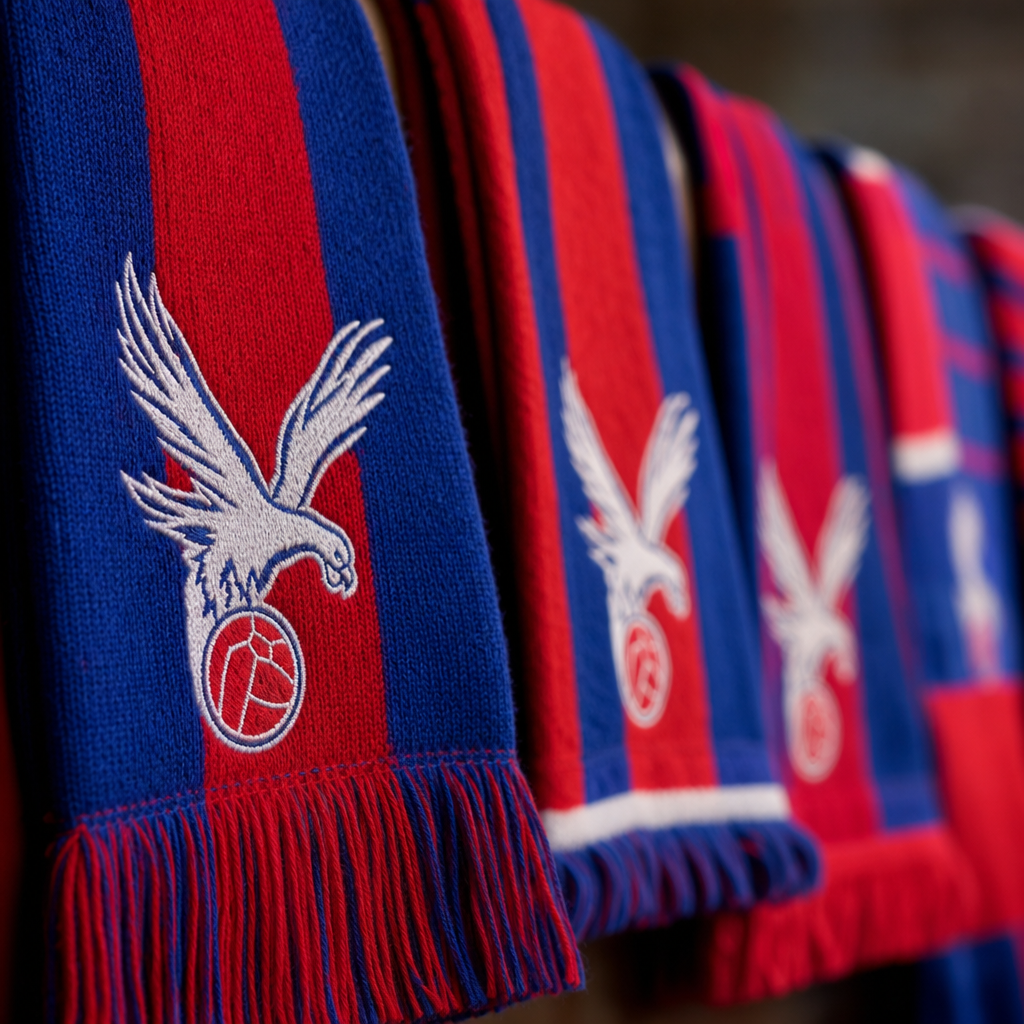
Every club has a narrative, but Crystal Palace history stands out because of its blend of place, persistence and atmosphere. Palace are rooted in south London, yet not in a narrow civic way. Their support spreads across boroughs and generations. The club’s nickname, the Eagles, and the intense matchday culture at Selhurst Park have helped create one of the most recognisable identities in English football.
Another distinctive feature is that Palace’s past includes both fragility and defiance. There were seasons when survival itself felt uncertain, and there were moments when Palace supporters had to protect what the club meant. That lived experience is why modern success feels especially meaningful.
For readers following the latest chapter, this resource on Crystal Palace from 2020 to the present tracks the contemporary era in more detail.
FAQ: history of Crystal Palace FC
When was Crystal Palace FC founded?
The professional club was founded in 1905.
Why are they called Crystal Palace?
The club took its name from the Crystal Palace grounds and exhibition site in south London, where the early team played.
When did Palace move to Selhurst Park?
Selhurst Park became the club’s home in 1924.
What are the biggest achievements in Palace history?
The most important recent honours are the 2024/25 FA Cup won in 2025, the 2025 FA Community Shield and the 2025/26 UEFA Conference League won in 2026.
Has Crystal Palace always been a Premier League club?
No. Palace history includes many promotions and relegations across different divisions before becoming an established Premier League side in the modern era.
Explore more of Crystal Palace’s story
The history of Crystal Palace FC is still being written. Dive into the ground, the owners, the trophies and the latest era in more detail.
In summary, the history of Crystal Palace FC is the story of a club founded in 1905, anchored at Selhurst Park since 1924, shaped by struggle and lifted by recent glory. Palace have moved from ambitious beginnings to hard-earned belonging in the top tier, and from cup heartbreak to lasting silverware. That combination is what makes Crystal Palace history worth revisiting, and why so many supporters believe the most important chapters may still lie ahead.